



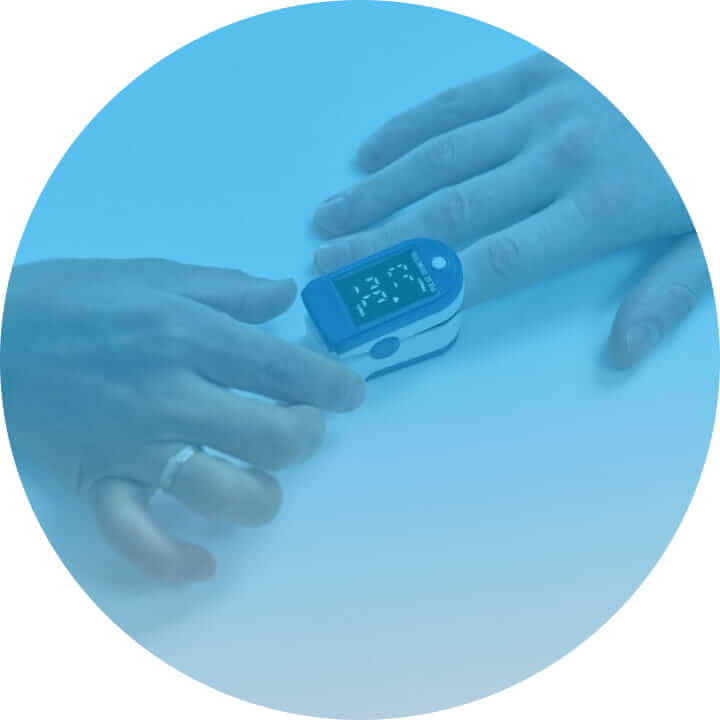
Custom remote patient monitoring software development
Launch an RPM platform that care teams can trust and billing can defend. MindK centers remote patient monitoring software development around your care model from production-tested blocks, accelerated by agentic engineering. You own the code, the data, and the architecture.
Trusted by





Why RPM programs fail to scale, and how we build differently
A program may enroll patients and ship devices, but stall once readings arrive because monitoring is the easy 20%. MindK tackles the 80% that decide whether your product survives contact with a real care team and a real billing cycle.
Adherence issues found too late for the billing cycle
A patient who opens a surprise coinsurance bill after month 2 disenrolls quietly. Dead batteries, the cuff left in a drawer. That churn rarely shows up in adherence reports until the numbers stop closing. A dead battery will still die, but software should find the non-transmitting patient within hours, identify whether the cause is behavioral, a connectivity failure, or a device problem, and route the response that fits the cause.
A reading you can't trust is worse than no reading
Nothing loses the care team's trust faster than garbage readings. A cuff applied wrong, a scale that weighed the patient's spouse, a pulse oximeter on cold fingers, a 38 kg weight entry. Before anything reaches a queue, we validate plausibility against the patient's own history. Software flags the artifacts, so care teams spend time on real signals.
Alerts only help if the right person is there to act
Alert fatigue is real, and so is its more dangerous twin: a critical reading that surfaces at 2 a.m. with no one rostered to act on it. We tune thresholds, repeat-reading rules, and persistence checks to your protocols, then route each case to a coverage model you define (after-hours paths, on-call escalation, licensure, and scope rules that govern who is allowed to respond).
Billing that survives an audit
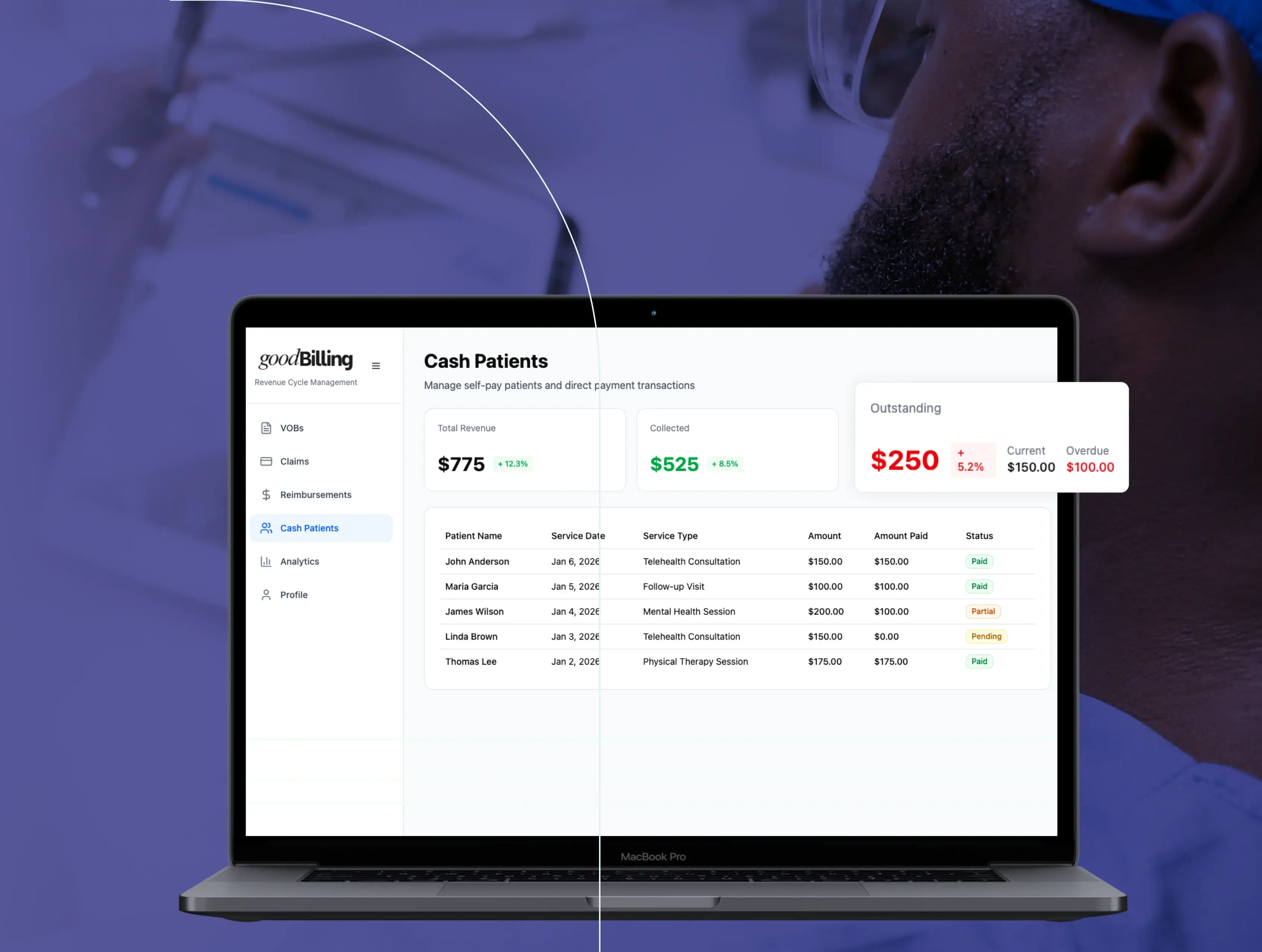
Device-supply months are now billable from as few as 2 to 15 days of data. Treatment management is billable in 10 or 20-minute increments. You need to capture both so a partial-adherence month is still reimbursable. Our software documents events for a clean claim: setup completion, activation, data sufficiency, the clinical communication and interventions a licensed person actually performed. It does not manufacture billable time, keeping the program out of trouble when a payer looks closely.
Enrollment and eligibility before the first reading
Before a single reading arrives, someone has to confirm the patient belongs in the program. Someone needs to check benefits, capture consent, assign the right device, and confirm setup actually happened. We build this as a real workflow with eligibility and benefit-verification AI agents. Onboarding includes what vendors gloss over: the human support of walking a patient through pairing a device, with connectivity checks and flags when activation silently fails.
Integration work that is actually hard
Device ingestion and normalization are largely solved by mature pipes and aggregators which we use rather than rebuild. The hard part is writing the right data back into EHRs as discrete observations, summaries, or notes, and preserving the operational context a human needs. EHR integration is usually the slowest part of any RPM deployment, because the standards do not erase implementation differences.

Reimbursement-ready remote patient monitoring
Typical RPM solutions
Monitoring works, and alerts are genuinely useful. However, eligibility is checked outside the system, consent and setup records live elsewhere, and someone reconstructs the month at the end to figure out what was done and what went undocumented.
01Reimbursement-ready RPM
AI agents check eligibility and benefits inside the flow using, and surface exceptions before enrollment. Interventions stay tied to the patient record. Billing-relevant events are captured as they happen, and the month-end record assembles itself from work that was already documented.
02Provide care teams with a workflow they can trust. Free operations from manual busywork needed for clean claims.

Core features of our remote patient monitoring solutions
Real-time vitals and prioritization
Alert and escalation engine
Medical-device and wearable integration
Enrollment and eligibility workflows
Onboarding and device setup
Adherence and engagement automation
Care-team task management
Telehealth and visit handoff
Secure patient-clinician messaging
Chronic disease modules
Reporting and care-plan support
Let's build your RPM product

IoMT devices & platforms we integrate with
-
 Withings
 -
 Omron
Omron - iHealth
-
 Dexcom
 -
 Bluetooth LE
 - Zigbee
- Wi-Fi
-
 Epic
Epic -
 Oracle Health
 -
 Allscripts
 -
 athenahealth
 - HL7 FHIR
- Apple HealthKit
-
 Google Fit









Ready-to-use agentic AI building blocks for remote patient monitoring platforms
PHI anonymization
Strips PHI from data sent to external AI services and restores it in the user interface.
Healthcare data normalization
Unifies EHR, payer, document, and billing data into structured formats other agents can use reliably.
Eligibility
Queries payer systems, normalizes the results, and flags missing or conflicting data.
Verification of benefits
Handles full benefit breakdowns, including self-funded plans and payer-specific gaps.
IVR navigation
Calls payers, moves through automated phone trees, and captures the answers as structured data.
Medical billing
Aligns clinical documentation, coverage data, and coding rules to prepare accurate, submission-ready claims.
Chat and voice
Handles patient- and payer-facing conversations over chat or phone, capturing structured detail from each exchange.
Human-in-the-loop review
Routes uncertain, sensitive, or low-confidence cases to staff for approval before the agent proceeds.
Document assessment
Analyzes documents in any format to surface the information needed for a decision along with weighted recommendations.
Structured data extraction
Pulls specific data points out of unstructured documents and turns them into usable, structured fields.
Specialty clinical intelligence
Surfaces the relevant clinical reference, protocol, or guideline to support a decision in context.

HIPAA-compliant,
SaMD-aligned
RPM architecture
From day one, we design privacy, access control, and monitoring
into the platform so compliance requirements are addressed early.
HIPAA, HITRUST, and GDPR alignment
Encryption and role-based access control
Audit logging and continuous monitoring
ISO 27001 and SOC 2 practices

How we build custom RPM platforms with agentic engineering
Strategy and product discovery
Duration: 1–2 weeks.
We start by mapping your care workflows, operational bottlenecks, device ecosystem, EHR dependencies, and patient engagement gaps. You get wireframes, an estimate, and a Lean Canvas that connects the product vision to implementation.
Design and agent validation
Duration: 2–2.5 weeks.
We turn the workflow into hi-fi prototypes, system architecture, and logic that can be tested with real users. This phase validates how care teams review data, how alerts route, how patients respond, and where human approval remains required. You get a validated backlog, roadmap, and architecture ready for delivery.
AI-accelerated build in demo-driven sprints
AI helps generate code, tests, documentation, and agent workflows. Senior engineers own architecture, validation, security, and every delivery decision. Each sprint ends with a live stakeholder demo in realistic workflows.
Launch and growth
Duration: 1.5–2 weeks.
We prepare the product for real-world use with rollout planning, staff training, release checks, monitoring, and live agent supervision. After launch, development continues against tracked KPIs, patient engagement signals, care team feedback, and operational performance.
Continuous support and agent refinement
Duration: ongoing.
RPM logic changes as protocols, patient populations, devices, and clinical priorities evolve. We tune agents, fix bugs, analyze metrics, and plan the next improvements so the system keeps improving after launch.
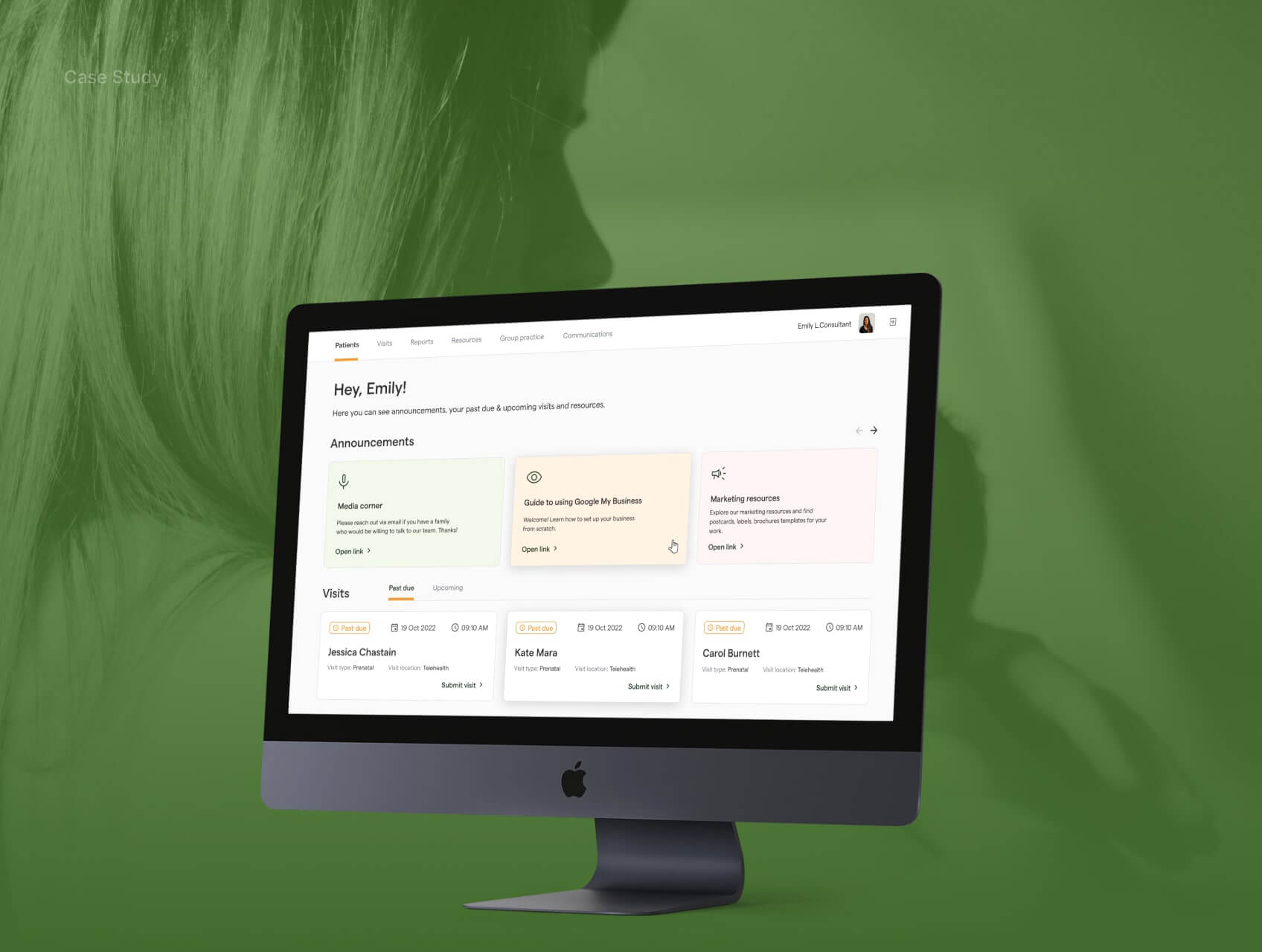

Why healthcare organizations choose MindK for RPM development
First-hand healthcare expertise
MindK runs production systems across patient engagement, EMR, healthcare automation, and RPM healthcare solutions. 9 in 10 of engineers work on healthcare projects.
Clinical workflow fluency
Chronic care pathways for diabetes, hypertension, COPD, and cardiac care are translated into patient remote monitoring logic, alert thresholds, and escalation flows.
IoMT and interoperability
We integrate devices, EHRs, and healthcare data standards including FHIR, HL7, and DICOM to keep RPM data usable and connected.
Compliance built in early
HIPAA, HITRUST, and GDPR requirements shape architecture, data flows, access controls, and auditability from the start.
What
our
clients
say
-

Allison Erickson
Director of Product, The Lactation Network
USA Such quality work in such efficient timing
«I have nothing but great things to say about our partnership with MindK and the solid work they have done and continue to do for the growth of our company. Our rapport is strong which is a reflection of their professionalism, hard work, and great outputs.»
-

Al Hariri
Co-Founder, Vitagene
USA Results-oriented and
outcome-driven«I can tell you confidently that they are different from your regular agency that just wants to charge as much money for their work as they can get away with. MindK is completely results-oriented and outcome-driven.»
-

Jason Lutton
CEO, International Surrogacy Center
Impressed with their ability to understand our industry
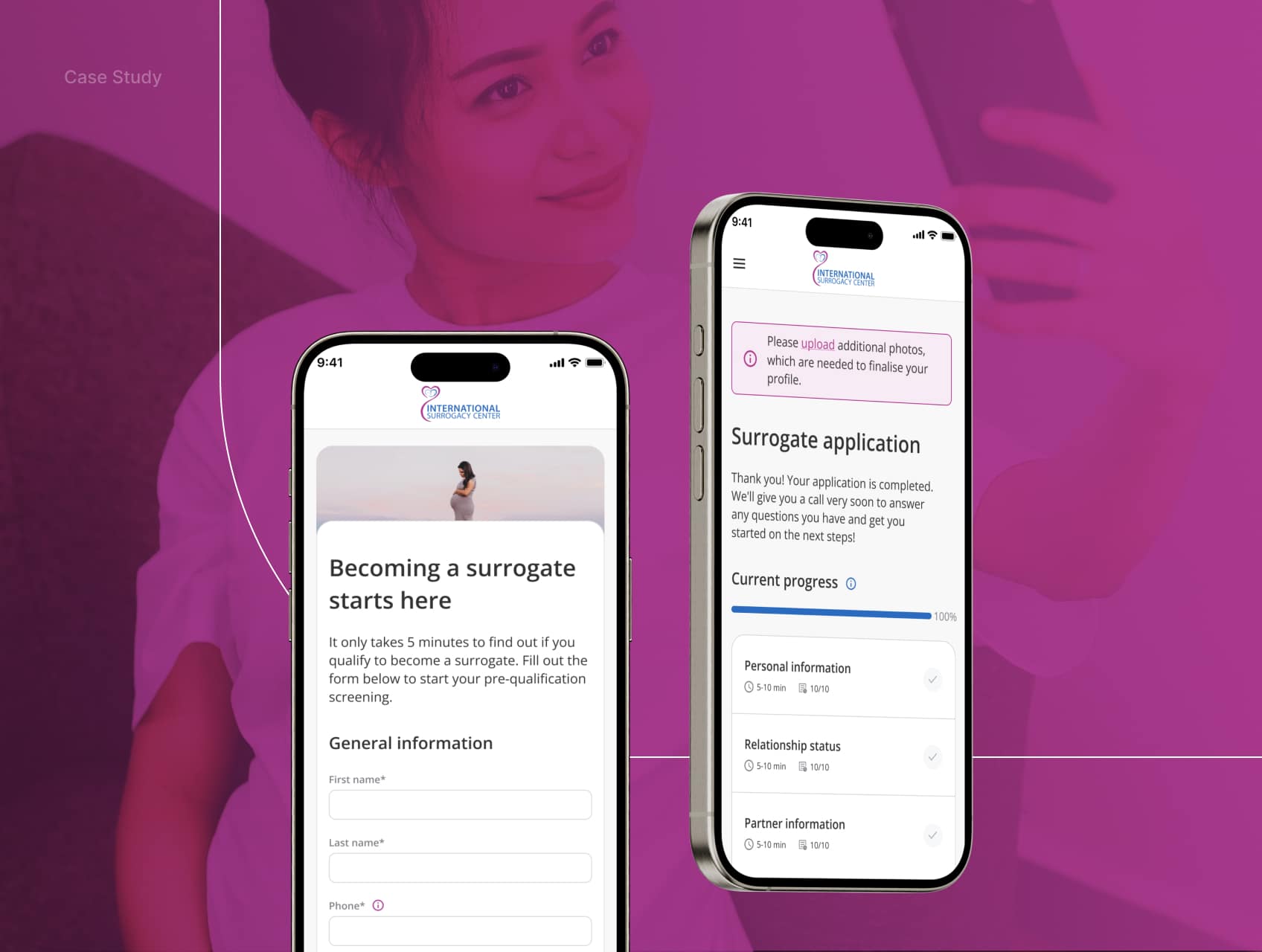
«MindK reduced the time a surrogate takes to complete an online application, increased the number of completed applications, and streamlined our intake process, resulting in fewer staff man hours needed to complete the backend processes for finalizing an applicant.»



Our Healthcare Knowledge Base


Let's discuss your RPM project
Let us know about your challenges and we'll contact you within 24 hours to
schedule a free consultation with the MindK team.
FAQ
- How much does RPM software development cost?
A custom RPM build — including remote patient monitoring app development — typically runs $150K–$350K depending on scope, device integrations, EHR connectivity, patient-facing features, automation depth, and compliance requirements. MindK reduces the total cost of ownership with agentic engineering, ready-to-use AI agents, and reusable foundations for secure RPM development.
- How fast can we see something working?
You can usually try a working prototype in weeks using pre-built modules for ingestion, dashboards, alert logic, messaging, and reporting. A production launch with real EHR integration and the security attestations your buyers require takes longer, and we scope that honestly at the start.
- Does it reflect the 2026 Medicare rules?
Yes. We build for the 2026 flexibility, where device supply is billable from 2 to 15 days as well as 16+, and treatment management is billable in 10-minute as well as 20-minute increments, so a partial-adherence month is still reimbursable instead of being written off.
- Will it integrate with our devices and EHR?
Yes, through FHIR, HL7 v2, direct device integrations, and custom EHR write-back where needed. EHR write-back is usually the slowest part, and we scope it as real work.
- Do you build active management or just dashboards?
Active management, with agents that interpret readings, trigger workflows, escalate risk, and support outreach. On clinical decisions the agent proposes and a licensed human acts.
- How are the AI agents governed?
Agents are versioned, monitored for drift, and reversible. Logic that must be deterministic stays deterministic, and your clinical team signs off before changed logic reaches patients.
- Do we own the final product?
Yes. You own the code, data, and architecture outright, with documentation and a handover. There is no runtime license and no lock-in to MindK.